How to Choose a UX Design Agency in the US: A Founder's Buyer's Guide for 2026

Why Choosing a UX Design Agency Is Harder Than It Looks
The US market has thousands of agencies claiming the UX label — from solo Dribbble-portfolio designers to 500-person studios that price like management consulting firms. Most pitch the same things: human-centered design, research-led process, measurable outcomes. The differences that actually matter — how an agency scopes work, who really does the design, what happens when a project goes sideways — are invisible from the website.
This guide is the framework we wish more US founders, heads of product, and procurement leads used before signing a UX design agency contract. It's built around the questions that surface the differences agencies don't volunteer.
Step 1: Define the Decision You're Actually Making
Before evaluating agencies, get clear on which of three engagement types you actually need. Most procurement mistakes start here.
- UX audit / diagnostic. You have a product in market and conversion or retention is underperforming. You need a 2–3 week diagnosis with prioritized recommendations before deciding whether to redesign. Budget: $8K–$25K.
- Product redesign. You've made the decision to redesign. You need research, design, and developer-ready handoff for a defined product surface. Budget: $40K–$200K depending on surface area and research depth.
- Embedded UX partner. You don't have in-house design and need an agency to operate as your design function for 6–12 months. Budget: $20K–$60K/month retainer.
These three need different agency profiles. A boutique strong on audits often can't run a full redesign. A 100-person studio that runs redesigns won't be cost-effective for an audit. Don't shortlist before you've named the engagement type.
Step 2: The 12 Questions That Surface Real Capability
The agency sales call usually covers process, deliverables, and timeline. None of that surfaces whether the agency will deliver outcomes. These 12 questions do.
On research and methodology
- "What's the last research finding that changed your design recommendation mid-project?" Agencies that actually do research can answer this specifically. Agencies that pitch research as a deliverable but design from intuition can't.
- "How many real users did you interview on your last engagement, and what did you ask them?" A real number, named methods, and specific questions. Vague answers are a red flag.
- "Show me the research synthesis from a recent project." Not the polished deck — the working synthesis. The format and depth reveals whether research informs design or sits next to it.
On team and execution
- "Who specifically will work on my project, and what else are they working on simultaneously?" Many US agencies sell a senior team and deliver a junior team. Get names and concurrent workload upfront.
- "What's your team's average tenure?" High turnover means the team that pitched isn't the team that delivers six months in. Healthy UX agencies have 3+ year average tenure on senior roles.
- "Where does the actual design work happen — in your office, distributed, or offshore?" Not a value judgment, but a context the agency should be willing to share without hedging.
On outcomes and accountability
- "What's a project where the outcome didn't match the design intent, and what did you do about it?" Agencies that have shipped real work can name failures and recovery. Agencies that have only shipped pitch decks can't.
- "How do you measure success on a UX engagement, and how do you report on it?" Strong agencies define success metrics in the SOW and report against them. Weak agencies define success as deliverables shipped.
- "What happens if conversion or retention doesn't improve after launch?" The answer tells you whether the agency owns outcomes or owns deliverables.
On scope, change, and risk
- "How do you handle scope changes mid-project?" A clear process with change orders and pricing is healthy. "We'll figure it out" predicts cost overruns and timeline drift.
- "What's the typical reason projects with you go over budget?" Honest agencies can name the patterns. The most common honest answer: undefined stakeholder approval processes on the client side.
- "Walk me through your developer handoff. What does engineering get from you?" The answer reveals whether the agency thinks like a product partner or a marketing studio.
Step 3: The Three Documents to Request Before Signing
References and portfolios are table stakes. These three documents tell you more about how the agency actually operates.
- A real SOW from a recent comparable engagement. Names redacted. Look at how scope, milestones, change management, and outcomes are defined. A vague, single-page SOW predicts vague delivery. A detailed SOW with named outputs and decision gates predicts disciplined execution.
- A sample weekly status report. What does the client actually see during the engagement? Is it a list of activities, or is it progress against measurable outcomes?
- A handoff package from a recent project. The Figma file structure, the developer documentation, the design tokens. This is what your engineering team will actually consume. If it's disorganized or thin, your build will be too.
Step 4: How to Read the Pricing
Three pricing models dominate the US UX agency market. Each tells you something about how the agency runs.
- Fixed-scope, fixed-fee. Most common for audits and discrete redesigns. Works when scope is well-defined. Risk: agencies pad scope to protect margin, or under-scope to win the deal and request change orders.
- Time and materials with not-to-exceed cap. Most common for ongoing partnerships. Works when scope evolves. Risk: hours expand to match available budget if accountability is weak.
- Outcome-based. Increasingly common, particularly for CRO work. Agency takes partial fee + bonus tied to measurable lift. Rare for full UX engagements because attribution is hard.
The pricing model itself isn't right or wrong. What matters is whether the agency can explain why they chose it for your engagement type and what protections exist against the typical failure mode.
Step 5: The Reference Call You Should Actually Make
Most reference calls are useless because the agency picked the reference. Ask for three references — and ask for at least one project where the relationship ended, not just the success stories. The way the agency talks about the relationships that ended tells you more about how they'll handle yours than any happy-path testimonial.
On the reference call itself, skip the "would you hire them again" question (the answer is always yes). Ask instead: "What surprised you about working with them?", "Where did the engagement break down, and how did they handle it?", and "If you started again with them, what would you do differently?"
Common Mistakes US Founders Make Hiring UX Agencies
- Buying on portfolio aesthetics. Beautiful Dribbble work doesn't predict whether the agency can ship a product that converts.
- Underweighting the kickoff process. Agencies with a structured discovery and stakeholder alignment process produce dramatically better outcomes than agencies that "just start designing."
- Assuming bigger is safer. Large US agencies often charge premium prices for junior delivery teams. Mid-size specialist agencies frequently deliver better outcomes at lower cost.
- Confusing UX with branding. A creative agency that does brand identity is not the same as a UX agency that designs SaaS products. Both can be good — but at different things.
- Not investing in stakeholder alignment. The biggest predictor of project success isn't agency quality — it's how clear the client-side decision-making process is. Plan for this before the agency starts work.
What to Expect in the First 60 Days
A well-run UX engagement should feel structured but flexible. By day 14 you should have a clear research plan and stakeholder alignment. By day 30 you should have early research findings and initial design directions. By day 60 you should have validated designs ready for engineering. If a project is opaque at any of these checkpoints, the issue is process — not just communication.
When Hiring a UX Design Agency Is the Wrong Move
Sometimes the right answer isn't hiring an agency. Consider hiring a senior in-house product designer if you'll need ongoing design for 12+ months and you can afford the $150K–$220K all-in cost. Consider a fractional design leader if you need strategic direction more than execution capacity. And consider doing nothing if the underlying problem is product-market fit, not UX — no design agency can compensate for a product the market doesn't want.
If you've worked through this framework and you're ready to talk to a US UX design agency, our team runs free 45-minute strategy calls where we'll review your situation, identify the engagement type that fits, and tell you honestly whether we're a good match — or which type of agency would be a better fit.
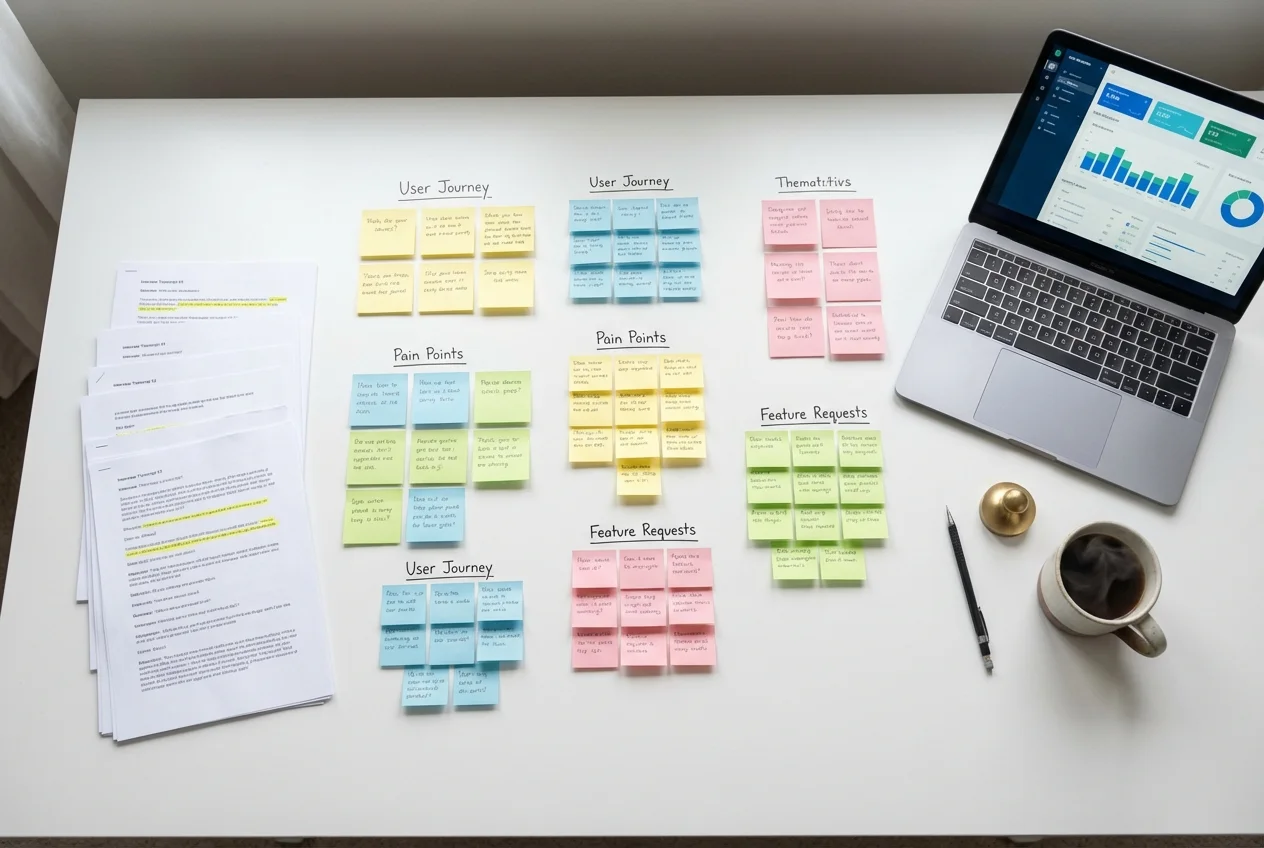 UX Research & User Testing
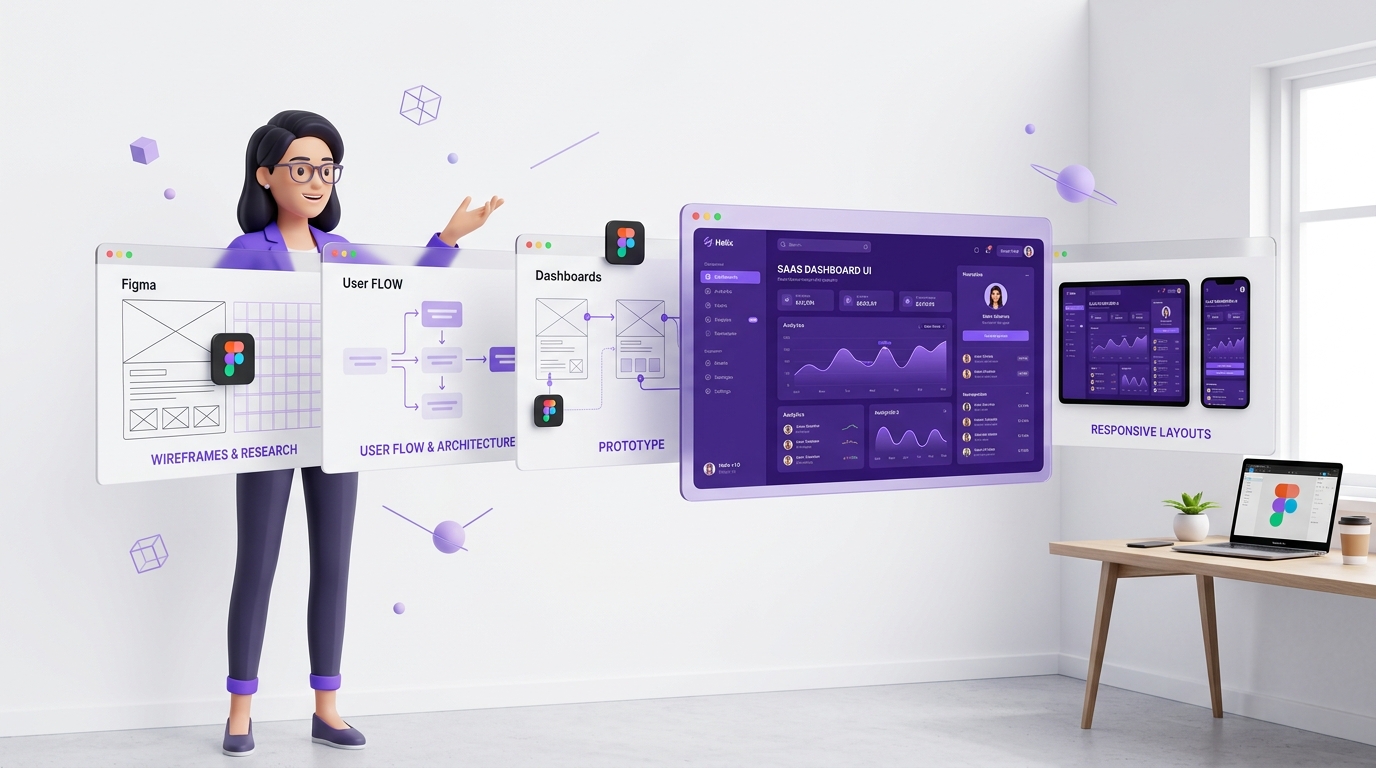 Product UX & UI Design
 UX Audit & Expert Review